
The Key to Recovering from a Bone Graft for Dental Implants
May 6, 2026
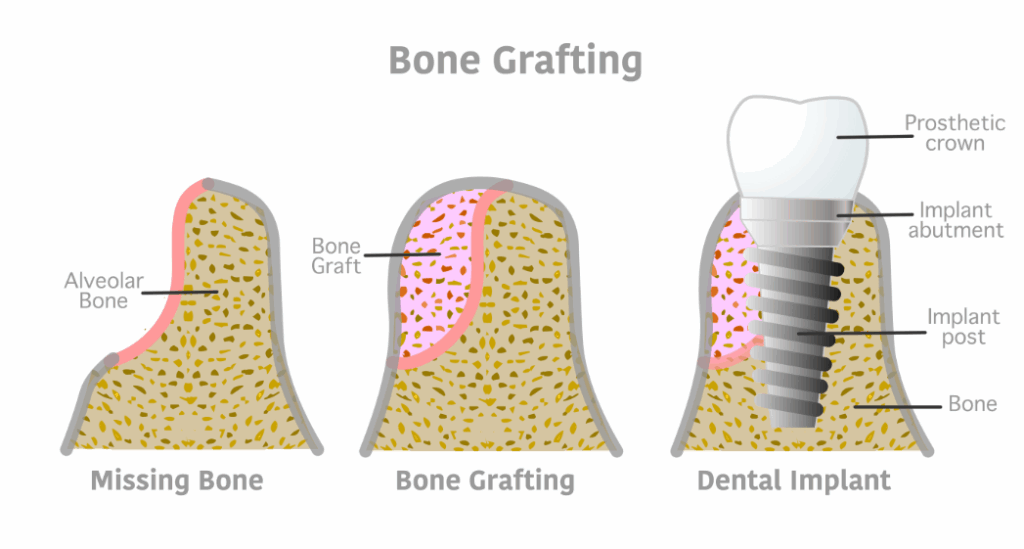
Dental implants are one of the most reliable ways to replace missing teeth, but they require a strong and healthy jawbone for support. In some cases, a patient may not have enough bone density to securely hold an implant. This can happen after tooth loss, gum disease, injury, or prolonged denture use.
When the jawbone has weakened or shrunk, a dentist may recommend a bone graft before implant placement. During this procedure, bone material is added to the treatment area to encourage new bone growth and create a stable foundation for future implants.
While a bone graft is a common and predictable procedure, recovery takes time. Understanding what to expect can help make the healing process smoother and more comfortable.
Expect Some Swelling and Discomfort
Mild swelling and soreness are normal after a dental bone graft. Most patients notice the greatest amount of swelling within the first few days after treatment, followed by gradual improvement.
Applying an ice pack to the outside of the face during the first 24 to 48 hours can help reduce swelling and improve comfort. Your dentist may also recommend over-the-counter pain relievers or prescribe medication if needed.
If discomfort seems to worsen instead of improve after several days, be sure to contact your dental office for guidance.
Follow Your Post-Operative Instructions Carefully
One of the most important things you can do during recovery is follow your dentist’s instructions closely.
You may be asked to avoid vigorous rinsing, drinking through a straw, smoking, or engaging in strenuous physical activity for a period of time. These activities can interfere with the healing process and increase the risk of complications.
Your dentist may also prescribe antibiotics or antimicrobial rinses to help prevent infection. Taking medications exactly as directed can support a successful recovery.
Choose Soft Foods During Early Healing
Your jaw needs time to recover, so it’s important to be mindful of what you eat during the first several days after treatment.
Soft foods are generally the best choice while the graft site begins to heal. Foods such as yogurt, applesauce, mashed potatoes, scrambled eggs, smoothies eaten with a spoon, soup, oatmeal, and soft pasta are often well tolerated.
Avoid hard, crunchy, spicy, or sticky foods that could irritate the surgical area. Chewing on the side opposite the graft site may also help reduce discomfort.
As healing progresses, your dentist will let you know when it is safe to resume your normal diet.
Keep the Area Clean
Good oral hygiene remains important after a bone graft, but you’ll need to be gentle around the surgical site.
Continue brushing and flossing the rest of your teeth as instructed while avoiding direct contact with the treated area until your dentist says otherwise. If a special rinse has been prescribed, use it according to directions.
Keeping your mouth clean helps reduce bacteria and supports proper healing.
Be Patient with the Healing Process
One of the most important things to understand about bone graft recovery is that healing takes time.
While initial discomfort may improve within days or weeks, the bone itself requires several months to fully integrate and mature. This healing period allows the graft to strengthen the jawbone and prepare it for successful implant placement.
Attending all scheduled follow-up appointments allows your dentist to monitor your progress and determine when the area is ready for the next phase of treatment.
Know When to Call Your Dentist
Most bone graft recoveries progress smoothly, but it’s important to contact your dentist if you experience excessive bleeding, severe pain, worsening swelling, signs of infection, or any symptoms that seem unusual.
Prompt communication can help address concerns before they become more serious.
Although recovery requires patience, the end result is often well worth the wait. A healthy, strengthened jawbone can provide the support needed for long-lasting dental implants and a restored smile.
About the Practice
At Ellicott City Smiles, our team of dentists are committed to providing comprehensive, patient-focused dental care in a welcoming environment. Offering a wide range of services, including oral surgery, dental implants, and restorative treatments, we work closely with each patient to create personalized treatment plans that support long-term oral health. Through advanced technology, compassionate care, and a dedication to patient comfort, the team helps patients achieve healthy, confident smiles that last for years to come.
Call us at (410) 465–3224 or schedule your appointment online.
No Comments
No comments yet.
RSS feed for comments on this post.
Sorry, the comment form is closed at this time.