
Gum Disease Treatment – Ellicott City, MD
Fight Gum Disease, Enjoy a Healthy Smile!

At Ellicott City Smiles Dental Group, we know the health of your gums is just as important as your teeth. That’s why we keep an eye out for early signs of gum disease during your biannual dental visits! Should you show any signs of this condition, we will bring it to your attention and discuss your treatment options. If you want to learn more about this common oral health problem, feel free to read on!
Why Choose Ellicott City Smiles Dental Group For Gum Disease Treatment?
- Board-Certified Periodontist on Staff
- Multiple Sedation Options Available for Anxious Patients
- Caring, Warm Team of Dental Professionals
What is Gum Disease?
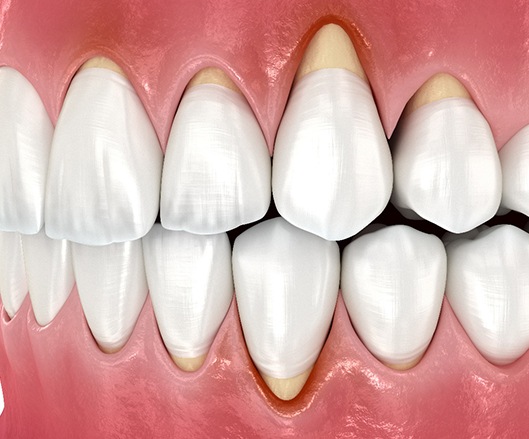
Gum disease is the most common dental problem in the world, but what is it exactly? In short, it’s an infection of the gums. In the beginning stages, the symptoms are relatively minor, like slight tenderness. However, without the proper treatment, it can lead to more serious issues. In fact, it’s one of the leading causes of tooth loss! That’s why it’s so important to contact our Ellicott City dental team right away if any abnormal dental symptoms arise.
Symptoms of Gum Disease

Early symptoms of gum disease include:
- Red, swollen, or tender gums
- Bleeding when you brush or floss
- Persistent dental sensitivity
- Teeth that appear longer than usual (gum recession)
- Chronic bad breath
Remember, if the infection isn’t treated right away, then it can develop into something much more serious. So, if one or more of the above warning signs of gum disease arise, it’s crucial that you seek gum disease treatment in Ellicott City.
How Do We Treat Gum Disease?

Our team at Ellicott City Smiles is proud to offer several types of gum disease treatment. During your appointment, we will discuss each one in depth and share which one we recommend for you. Until then, you can read on for a brief overview.
Scaling & Root Planing
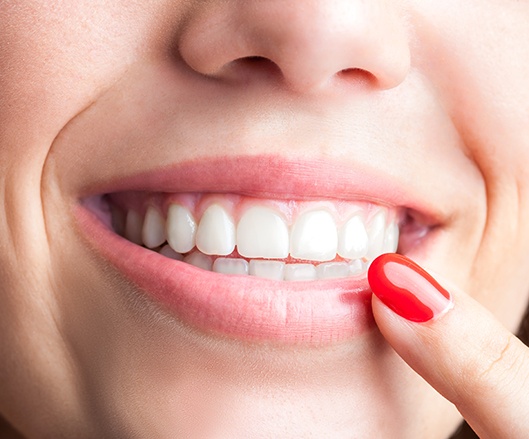
Sometimes referred to as a “deep cleaning,” scaling and root planing are the first treatments to defend your smile against early-stage gum disease, or gingivitis. Scaling breaks up and removes plaque and tartar deposits at and below the gum line, and then we’ll perform root planing to gently make the rough surfaces of the roots smooth. As a result, it will be much more difficult for plaque to accumulate there in the future, protecting you from getting gum disease again.
Arestin™ Antibiotic Therapy
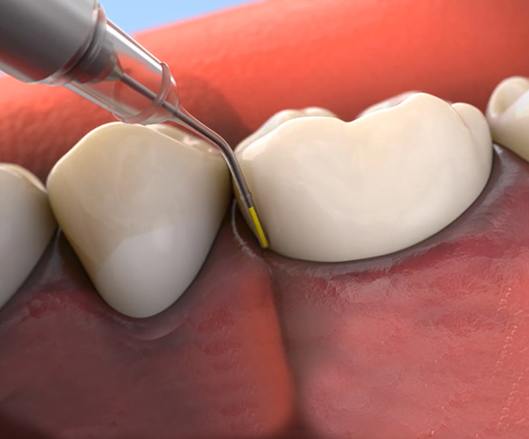
After your cleaning, your dentist may choose to apply a topical antibiotic directly to your gums to help further fight the infection. It will quickly harden into a wax-like texture and slowly dissolve over the next 7 days, which will allow it to reach even the most hidden bacteria. This, along with maintaining a consistent oral hygiene routine at home, should completely take care of your gum disease.
Gum Grafting
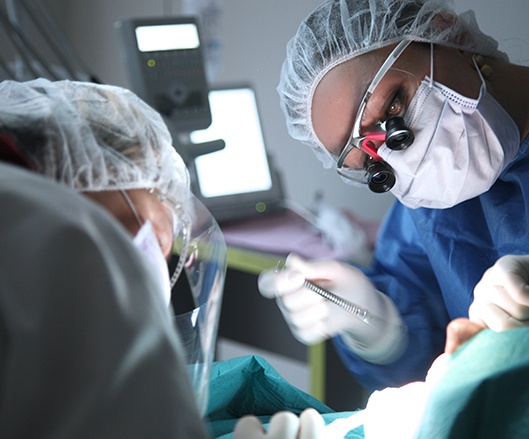
In some situations, a gum graft is the best option to treat gum recession that commonly occurs because of gum disease or brushing too vigorously. By taking a small tissue graft from the roof of your mouth, we are able to cover the sensitive, exposed tooth roots. We use sutures to hold the graft in place. Then, as the tissue heals, the gums are restored to a more protective and aesthetically pleasing position.
Pat Allen Tunnel Technique

The Pat Allen Tunnel Technique is an alternative method for performing a gum graft that improves the chances of a successful procedure. Instead of taking the graft tissue and attaching it to the target area similar to how the squares of a quilt are stitched together, a small “tunnel” is created in the tissue where the gums have receded. From there, the grafted tissue is placed inside this tunnel. This results in a better blood supply near the root surfaces of the teeth compared to a traditional graft, where it is most needed, which helps stimulate healing and the integration of the new tissue.